The Coding Cabana Game Jam presents
Can you make
a chess game?
A two-round jam to invent a chess variant worth launching — and to find the people worth building it with.
Round 1
The Prototype
This round was for programmers, designers, and chess nerds: invent a new or experimental chess variant and build a prototype someone can actually play. Round 1 was about the idea — and whether it's fun.
Fairy pieces, asymmetric armies, hex boards, fog of war, co-op chess, chess with dice — we wanted to see it all. Need a compass? Fischer Random, Atomic Chess, and Crazyhouse are famous variants, and historical cousins like Shogi, Xiangqi, and Makruk are gold mines.
Your own invention, a documented historical variant, or anything in between — every genre qualified, and the entries we were most excited about were the ones people created themselves. The one hard rule: someone should be able to open your game and complete a match.
Round 1 rules
- Your prototype must be made during the jam period. Reusing engines or boilerplate is fine — the game itself must be new.
- It must be playable. Someone should be able to open it and complete a match.
- Any engine or language — Unity, Godot, Pygame, plain HTML/JS — though web-playable entries are strongly preferred.
- Solo or teams, no size limit. All skill levels welcome.
- No NSFW content. AI-generated assets are allowed but must be disclosed in your submission notes.
Round rules ride on top of the universal rules. Where they differ, the round rules governed this round.
Judging
All participants voted for one week after submissions closed. This round was about the idea — Originality, Fun Factor, and Rules carried the most weight, with Polish and Technical Achievement also considered.
What winners get
Every game that ranks in Round 1 automatically qualifies for Round 2. The crowned winner gets featured on our platform and a seat in the Cabana All-Stars competition later this year.
Deeper feedback ran on Discord all jam long — organizers held in-chat reviews after each submission, and improvements based on that feedback were fair game until time ran out.
Dropped every three days
The challenges
Three optional mid-jam challenges. Meeting them wasn't required to submit — but strong use of them boosted your chances of winning.
-
JUN 9 · CHALLENGE 1
Design a new chess piece
Visual design, movement, special moves, restrictions — the works. If your variant didn't use western-style pieces (or any pieces at all), you still had to work the idea in: new pieces for shogi or xiangqi, playing cards, personified characters, environmental elements, power-ups. Already had new pieces or mechanics? Highlight them in your game rules.
-
JUN 12 · CHALLENGE 2
Build a satisfying endgame
Not necessarily checkmate — but the goal had to be obvious, easy to read, and land with the same satisfaction as winning a real chess game. A celebratory animation or message was part of the deal, simple or spectacular (think the card cascade in old Windows solitaire). And the win conditions had to be spelled out in the rules — surprisingly easy to forget.
-
JUN 15 · CHALLENGE 3
Invent a record-keeping system
A notation system that meshes with your mechanics, complete enough that a player could recreate a full match from it. Borrowing from existing systems was fine as long as the rules explained it well. Bonus points for weaving it into the game's UI in a clever way.
Results
The votes are in
Round 1 is a wrap and the community rankings are live on itch.io.
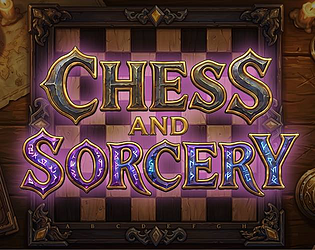
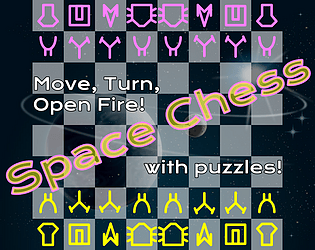
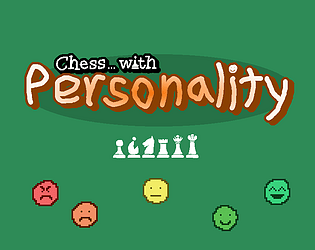
Winners spotlight

Round 2
The Endgame
Starting on July 18th, 2026, Round 2 runs for three weeks: take your prototype and turn it into a polished game with deeper mechanics, custom art, and final presentation. Teams are highly encouraged for the push to completion.
This round is now open. Everyone who participated in Round 1 has already gotten a head start on their prototypes, but can you create a better game?
Play the field
Stay in the loop
Round 2 details, winner announcements, and future jams all hit Discord first. That's also where organizers run in-depth game reviews.